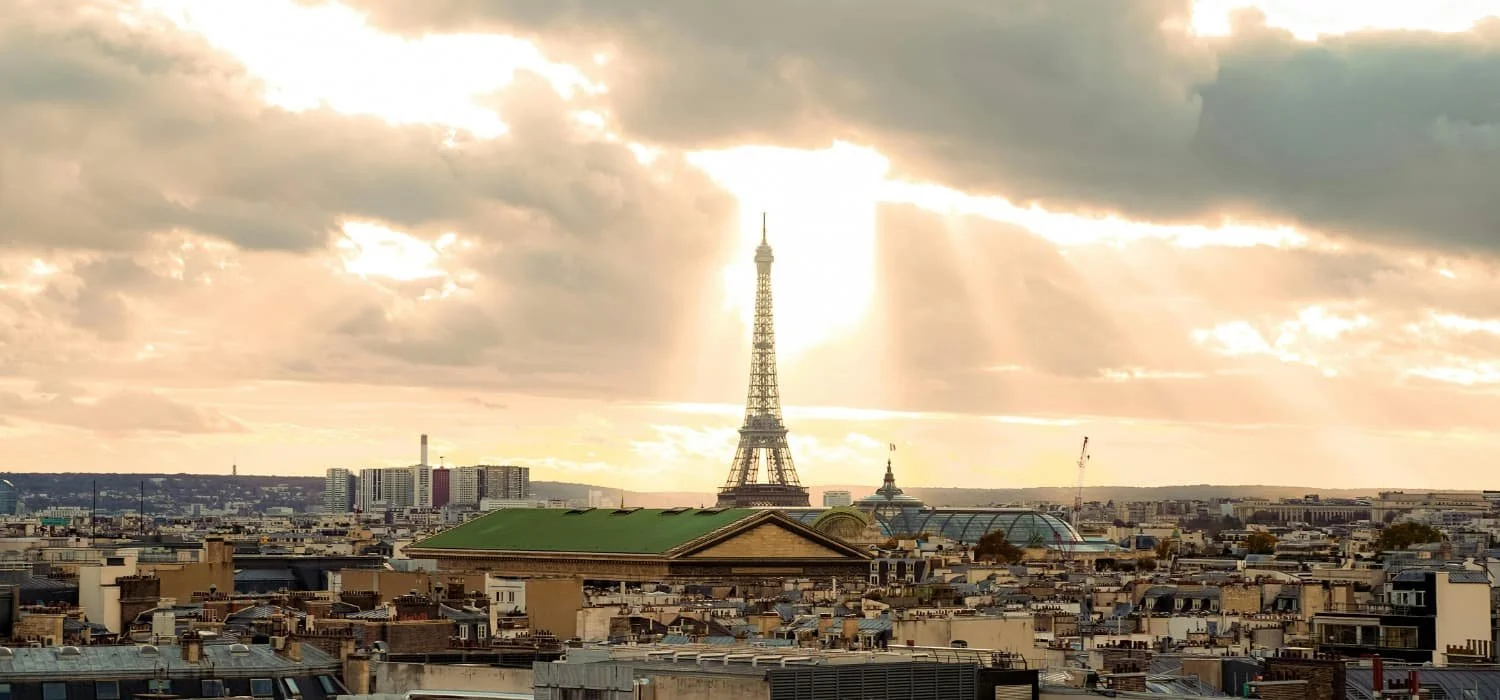
Paris & Champagne, France — The city that rewards those who look past the obvious
The Paris Honeymoon Itinerary That Goes Past the Obvious — and One Day into Champagne Country That Makes It Complete
For couples who already know Paris is extraordinary — and want to understand precisely why.
Paris does not need to be sold. What it needs is a Paris travel itinerary that stops pointing at monuments and starts explaining what the city actually rewards: the arrondissements that operate at human scale, the bistros that have not appeared in a travel magazine and intend to keep it that way, and the particular quality of a Paris evening when the dinner reservation is right and the walk home takes longer than it should. That version of the city exists. It simply requires knowing where to look.
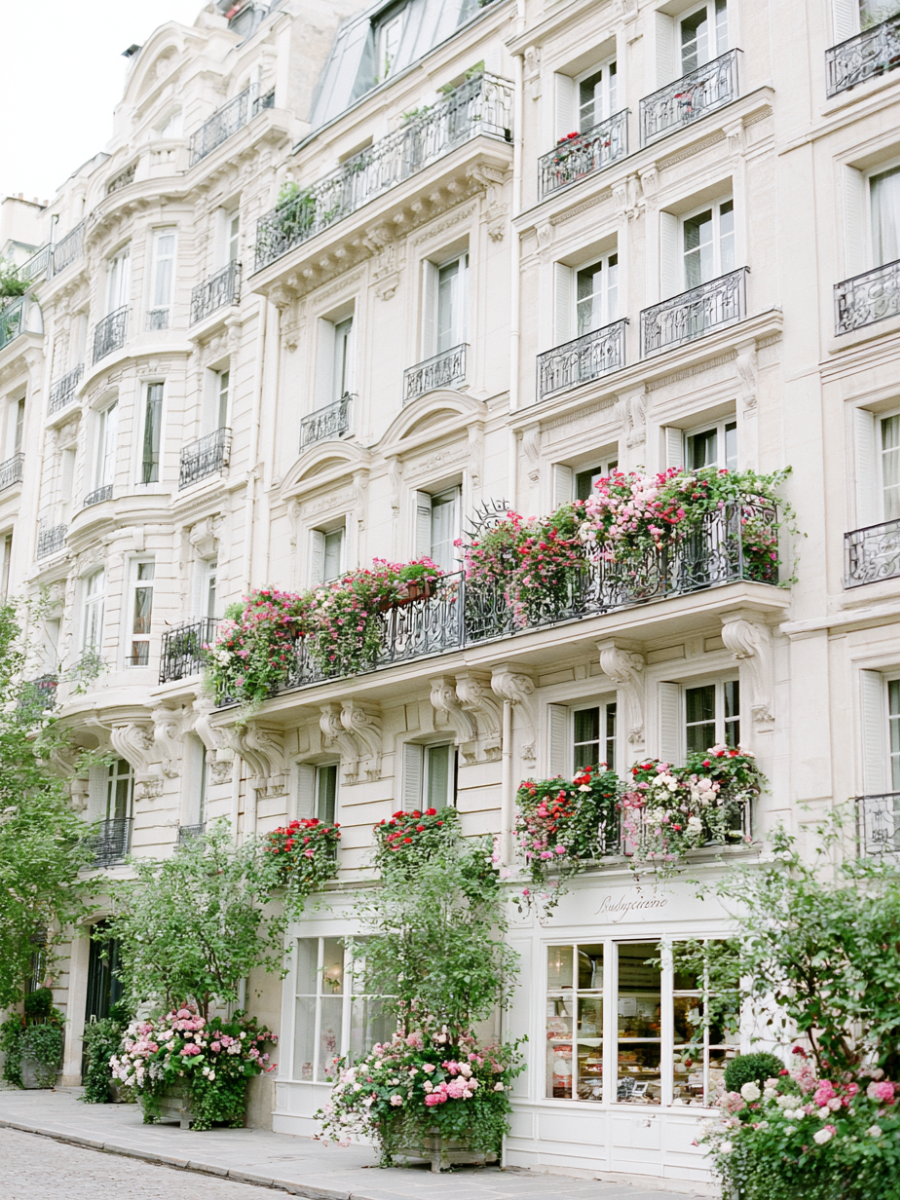 Paris rewards the couple willing to stay longer than planned and eat later than expected.
That version of the city exists. It simply requires knowing where to look.
Our Paris travel itinerary is built around the city that locals navigate, not the one produced for visitors. The difference is granular — arrondissement by arrondissement, table by table, hour by hour. We know when the Marais rewards the wander and when it doesn't. We know which bank of the Seine earns the morning walk. We know the wine bars that require an introduction and the ones that simply require the knowledge to go.
One hour from Paris, the Champagne region operates at a register the city never reaches — agricultural, silent, and improbably grand. A day in Épernay or Reims is not a detour from the Paris honeymoon; it is the day that makes the rest of it land differently. The grandes maisons offer extraordinary cellar access. We know which appointments are worth making and which are performing the idea of hospitality rather than actually offering it — and we've mapped exactly how to build the Champagne day into a Paris week.
Destination Intelligence
What we know before you arrive.
April – June.
September – November.
The case for Paris in spring is not sentimental — it is accurate. The city is at its most generous between April and June: the light is long, the terraces are open, and the energy of a city emerging from winter is genuinely palpable on every boulevard. Autumn is the insider's season: the tourists thin, the light turns the colour that photographers spend careers chasing, and the restaurants return from August with renewed ambition. December is Paris at its most cinematic. July and August belong to someone else's itinerary.
Saint-Germain-des-Prés.
Le Marais.
The 7th arrondissement.
In Paris, the neighbourhood is the decision — more consequential than any hotel's star rating or room category. Saint-Germain puts you within walking distance of everything worth walking to. Le Marais offers the city's most concentrated energy. The 7th provides quiet, proportion, and an Eiffel Tower proximity that never feels like a concession. We place you according to whether this trip is built around movement or the cultivated pleasure of staying still.
The bistro distinction. Natural wine.
The reservation that changes the evening.
Paris dining operates on an unwritten code that most visitors never decode. Early dinner signals a tourist; the city properly sits down between 8:30pm and 10pm. The natural wine movement has transformed the city's drinking culture over the past decade — quietly and without announcement — and your guide identifies the caves worth knowing and the producers behind the bottles they're pouring. The famous dishes of France are best understood through a kitchen that is producing them with conviction rather than obligation — and the wine districts of France are more accessible from Paris than most visitors realise, each appellation within a day trip of the city for the couple willing to use the time well.
The Paris champagne day tour built into the itinerary's architecture.
"Paris champagne day tour" draws 480 searches every month from couples who sense it's the right addition and can't find a source that tells them exactly how to execute it. We build the day into the itinerary as a structured excursion — departure timing from Paris, which maison to visit first, where to eat in Épernay, and how to return to the city with enough evening left to still make dinner somewhere worth going. A Paris in 4 days itinerary that incorporates this excursion delivers a different trip entirely from one that keeps the city as its only subject.
Paris & Champagne — What Couples Ask First
Planning intelligence before you commit.
Four days is the minimum for a Paris honeymoon that covers more than the surface — enough time for two arrondissements at genuine depth, the key meals, and one day excursion into Champagne country. Five to seven days is the architecture that allows Paris to reveal itself at its own pace: mornings without a plan, afternoons that follow whatever the previous evening opened up, and enough unhurried evenings to understand why the city has built its reputation around the table rather than the monument.
The most common Paris honeymoon mistake is treating the city as a checklist of landmarks. The Paris that delivers on its reputation is found in the hours between — the walk that takes longer than it should, the wine bar that turns into dinner, the arrondissement you weren't planning to visit and didn't leave for two hours. Our itineraries are built around four to seven days specifically because Paris rewards time spent without agenda more than almost any other city in Europe.
Saint-Germain-des-Prés (6th) puts you within walking distance of everything worth walking to — the Luxembourg Gardens, the Left Bank wine bars, and the bistros that have not appeared in a travel magazine and intend to keep it that way. Le Marais (3rd and 4th) offers the city's most concentrated energy and the most interesting streets for wandering without a destination. The 7th arrondissement provides quiet, proportion, and an Eiffel Tower proximity that never feels like a concession.
The neighbourhood is the single most consequential decision of a Paris honeymoon — more so than any hotel's star rating or room category. We place couples according to whether the trip is built around movement or the cultivated pleasure of staying still. A couple who wants to walk everywhere, eat late, and fall asleep to the sound of a city that hasn't gone quiet yet belongs in Saint-Germain or the Marais. A couple who wants mornings that feel like a film and evenings that feel earned belongs in the 7th.
April through June is the city at its most generous — the light is long, the terraces are open, and the energy of Paris emerging from winter is palpable on every boulevard. The case for spring is not sentimental; it is accurate. Autumn is the insider's season: September and October bring thinner crowds, the particular amber light that photographers spend careers chasing, and restaurants returning from August with renewed ambition.
July and August belong to someone else's itinerary. August in particular hollows the city out — the best restaurants close, Parisians leave, and what remains is a city performing for visitors rather than living for residents. December is Paris at its most cinematic, but the cold and the Christmas crowds trade off against each other depending on your tolerance for both. The window between late September and early November is arguably the most underrated Paris honeymoon timing, combining everything autumn offers with significantly lower hotel rates than spring.
Paris occupies a wide range. A well-positioned boutique hotel in Saint-Germain runs €250–450 per night in shoulder season, rising to €400–700 in peak spring and December. A properly curated dinner for two with wine at a serious bistro runs €120–200. The expenses that surprise most couples are not the hotels or the restaurants — they are the incidental costs of a city that rewards spending: the wine bar that turns into three bottles, the market that requires carrying things home, the afternoon that ends in a shop you weren't planning to enter.
The value calculation in Paris is not about the cost of things — it is about what the things cost relative to what they deliver. A €180 dinner at the right bistro delivers an experience that a €60 dinner at the wrong one cannot approach. A room in the right arrondissement at €350 per night eliminates the taxi costs and decision fatigue of being in the wrong one at €250. Our itineraries are built to maximise that ratio — identifying the tables, properties, and experiences where Paris's higher costs are genuinely justified, and the ones where they are not.
Yes — and it is one of the most underused additions to a Paris honeymoon. Épernay is 90 minutes from Paris Gare de l'Est by direct train. Reims is 45 minutes by high-speed TGV. A day in Champagne from Paris covers a register the city never reaches: agricultural, silent, and improbably grand. The grandes maisons offer extraordinary cellar access — the riddling tunnels cut into chalk, the disgorgement process, the tasting that follows — and the region's small grower-producers (récoltants-manipulants) offer a more intimate and often more revelatory experience than the famous houses.
"Paris champagne day tour" draws 480 searches every month from couples who sense it is the right addition and cannot find guidance on how to execute it properly. We build the day into the itinerary as a structured excursion — departure timing from Paris, which maison or grower to visit first, where to eat in Épernay, and how to return with enough evening left to still make dinner somewhere worth going. A Paris honeymoon that incorporates this day delivers a fundamentally different trip from one that keeps the city as its only subject.
Paris pairs naturally with the South of France as a two-region French honeymoon — the city first, then Provence or the Côte d'Azur for the second half. The contrast is deliberate: Paris is urban, kinetic, and built around evenings that begin late; Provence is agricultural, unhurried, and built around mornings that belong to the market. The transition between them by TGV (three hours from Paris to Avignon) is itself part of the experience — the landscape shifting from the Paris basin to the Mediterranean south over the course of a single journey.
Italy and Paris also pair powerfully as a two-country honeymoon — typically Paris first, then Rome or Tuscany, or reversed depending on the couple's energy preferences. The pairing works because both cities reward the same kind of attention — the slow walk, the late dinner, the willingness to be led by curiosity rather than a schedule. Our combined itineraries treat both destinations as equal principals and build the transition between them into the emotional arc rather than treating it as a logistical interruption.
Begin Here
Your Paris & Champagne itinerary starts with what you want the trip to feel like.
Tell us whether Paris is the destination or the beginning. Tell us how many days you have and what matters most. We'll build the rest — from the first bistro reservation to the final hour in a Champagne cellar.
Start Your Itinerary → See the Experiences →You'll choose Toast, Savor, or Indulge on your intake form.