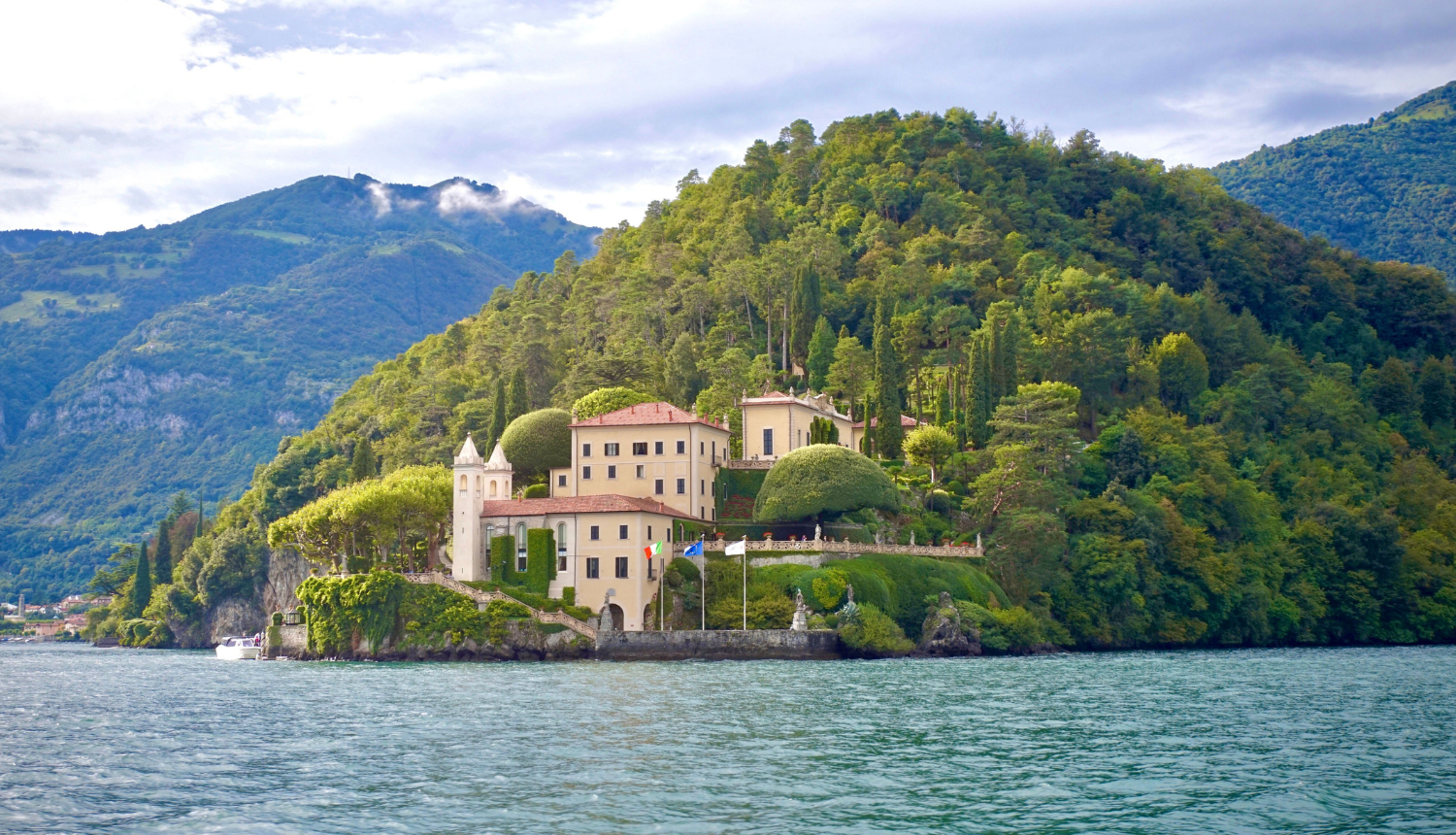
Beyond Milan: Lake Como Barolo & How to Use Milan as a Base
On why a city built for business is, secretly, the best base in northern Italy for everything that isn't.
Milan has an image problem it doesn't deserve and, frankly, doesn't try very hard to fix: it reads as a layover city, a fashion-week backdrop, somewhere you land before the real trip starts. That reputation is wrong, but it's wrong in a useful way. The best day trips from Milan Italy are precisely why the city works as a base rather than a destination — it sits within ninety minutes of two completely different versions of Italy, and most travelers never use that position. North gets you Lake Como, water and villas and the kind of light that photographs itself. South gets you Barolo, fog-draped hills and Nebbiolo poured by the people who made it. Milan doesn't compete with either. It hands you the keys to both.
Milan gives you efficiency — trains that leave on time, restaurants that take a reservation seriously, a city that runs on schedule. What it withholds is water, mountains, and the particular silence that only altitude or a lake can produce.
Milan Is a Base, Not a Backdrop
Milan gives you logistics — and that's not a backhanded compliment. This is a city built around moving efficiently: a metro that runs on time, a central station with direct rail to Como, Turin, and the Piedmont wine country, and a restaurant scene precise enough that risotto alla milanese tastes the same at every address that's earned the right to serve it. What Milan does not give you is exhale. The Duomo is extraordinary and crowded. The Navigli is good for one evening, not five. There is no version of a week in Milan proper that produces the kind of slowness this trip is presumably built around.
That's the case for leaving, and it's worth making plainly: Milan rewards efficiency, not lingering. The Brera district earns a morning. The Quadrilatero della Moda earns an afternoon of looking, not buying. Beyond that, the city is better used as infrastructure than as itinerary. Its real value is in what it sits next to — Lake Como forty minutes north by train, Barolo under two hours south by car, both reachable without the multi-city shuffle most Northern Italy itineraries demand. This is precisely why the best day trips from Milan Italy work better as something else entirely — extensions, not errands.
The couples who get this trip wrong treat Milan as the whole assignment and budget four or five nights inside the city limits. The couples who get it right treat Milan as a hinge — a comfortable, well-connected base from which the actual trip, the lake and the wine country, unfolds. For a sense of how this region connects to Tuscany on a longer Italian arc, our Tuscany & Piedmont destination guide lays out the fuller geography.
Milan, in short, is where you land well. It is not where you stay long.

Two Directions Out of Milan
North: Lake Como
Lake Como is the obvious move, and it's obvious for good reason — nowhere else this close to Milan delivers water, mountains, and a centuries-old villa culture in one frame. The Milan to Lake Como train is the detail that makes this extension almost frictionless: under an hour from Milano Centrale to Como San Giovanni, no car required, no parking anxiety in a town built on narrow lakeside streets. Base yourself in Varenna over Bellagio if you want fewer day-trippers and better access to the Bellagio-Varenna ferry; book a table at Ulisse for lake fish so fresh the menu changes with the morning catch. The detail that earns the stop: the specific stillness of the lake at 7 a.m., before the ferries start, when the water holds the mountains' reflection without a ripple. We'd choose Varenna over Bellagio for a couple's first visit — it's quieter, cheaper, and the views are arguably better from across the water looking in.
Pacing: 1–2 nights, April through October; anchor on one ferry crossing and one long lakeside dinner, not a villa-hopping itinerary.
South: Barolo
Barolo asks more of you logistically — there's no equivalent of the Milan to Lake Como train, so a car or private driver is non-negotiable — but it rewards the effort with something Como can't offer: rooms full of people who've made the wine themselves. This is Nebbiolo country, fog and all, and the case for choosing it over a second lake town is simple: Como is for looking, Barolo is for tasting. Visit a smaller producer like Poderi Aldo Conterno over the largest commercial names, and book a tasting at Osteria della Brunella in La Morra for tajarin pasta finished with butter and sage. The sensory detail worth the drive: the specific smell of autumn fog settling over the vineyards at dusk, just before the evening tasting starts. Two nights minimum — one night reads as a wine-tasting layover, not an arrival. Before you go, our Barolo vintage chart is worth ten minutes — it'll tell you which years to actually ask for at the table.
Pacing: 2 nights, September through November for truffle season and harvest fog; anchor on one producer visit and one slow dinner, not a multi-winery circuit.
The Extension to the Extension: Langhe
If Barolo earns a second look, it's because the Langhe hills around it reward a slower pace than most couples budget for. This is where truffle hunting actually happens — not staged for tourists, but run by families who've worked the same dogs and the same hillsides for generations — and where a town like Alba turns into something closer to a culinary headquarters than a day stop. Pair a morning truffle hunt with lunch at Piazza Duomo in Alba, and let the afternoon collapse into nothing scheduled. The detail that justifies adding a night here rather than rushing back to Milan: the particular earthy weight of a fresh white truffle shaved tableside, table still warm from the bread basket. This isn't a separate trip from Barolo — it's the same extension, stretched by one more night.
Pacing: 1 extra night appended to the Barolo stay, October through December for truffle season; anchor on one truffle hunt and one tasting menu, not a second wine tour.
How to Build the 2+1+2
The structure that works best for most couples is 2+1+2: two nights Milan, one night Lake Como, two nights Barolo — a week-long arc that uses Milan as the hinge between water and wine country rather than treating either as a rushed afternoon.
Start in Milan for two nights to absorb jet lag and get the Duomo and Brera out of the way without rushing. Take the early train north to Como — the Milan to Lake Como train runs frequently enough that timing isn't a stress point — for one full day and night in Varenna. Return to Milan only long enough to collect a rental car, then head south to Barolo for two nights, adding a third if truffle season and the Langhe hills are pulling at you.
The mistake we see constantly on this route: couples try to do Como as a single day trip from Milan, round-trip in one day, and end up with three hours of actual lake time bookended by four hours of trains and transfers. The lake doesn't reward speed. An overnight in Varenna costs you almost nothing in logistics and changes the entire texture of the visit — morning light on the water, a slow breakfast, a ferry crossing without a return-train deadline hanging over it.
The second mistake is reversing the order — Barolo first, Como last — which front-loads the trip's more demanding logistics (driving, wine country pacing) before you've shaken off travel fatigue. North to south, water to wine, is the better sequence almost every time.
What to know before you go.
Lake Como and Barolo are the two extensions worth your time, and they pull in opposite directions for good reason. Como is reachable by train in under an hour and rewards an overnight in Varenna; Barolo requires a car but delivers producer-level wine tastings Como can't match. Treat both as short stays rather than single-day trips — the pacing, not just the destination, is what makes this route work.
The Milan to Lake Como train runs under an hour from Milano Centrale to Como San Giovanni, with frequent departures throughout the day. An overnight is absolutely worth it — a single-day round trip leaves you with three or four real hours lakeside after accounting for transfers, while one night in Varenna gives you a full evening, a quiet morning, and an unhurried ferry crossing instead of a deadline.
Not for Como — the train handles that leg entirely. Barolo is a different story; there's no direct rail equivalent, so a rental car or private driver is necessary for the southern leg. Book Barolo producer visits four to six weeks ahead in peak season (September–November), and rent the car only for the days you'll actually need it, picking it up after returning from Como.
The Sequence Is the Service
The sequencing above is the logic behind every Northern Italy itinerary we build — which nights belong to Milan, which belong to the lake, and which belong to the wine country, and why the order matters more than the destination list. Whether you're working with our Toast, Savor, or Indulge tier, the architecture stays the same: Milan is the hinge, Como and Barolo are the payoff. Explore the broader regional logic in our Tuscany & Piedmont destination guide, or let us build the sequence for you.
Start Your Itinerary See the Experiences →You'll choose Toast, Savor, or Indulge on your intake form.