Culinary Intelligence
Grower Champagne: The Guide Most Wine Lists Don't Give You
Six houses built the reputation. A few hundred growers are quietly rewriting what champagne actually tastes like.
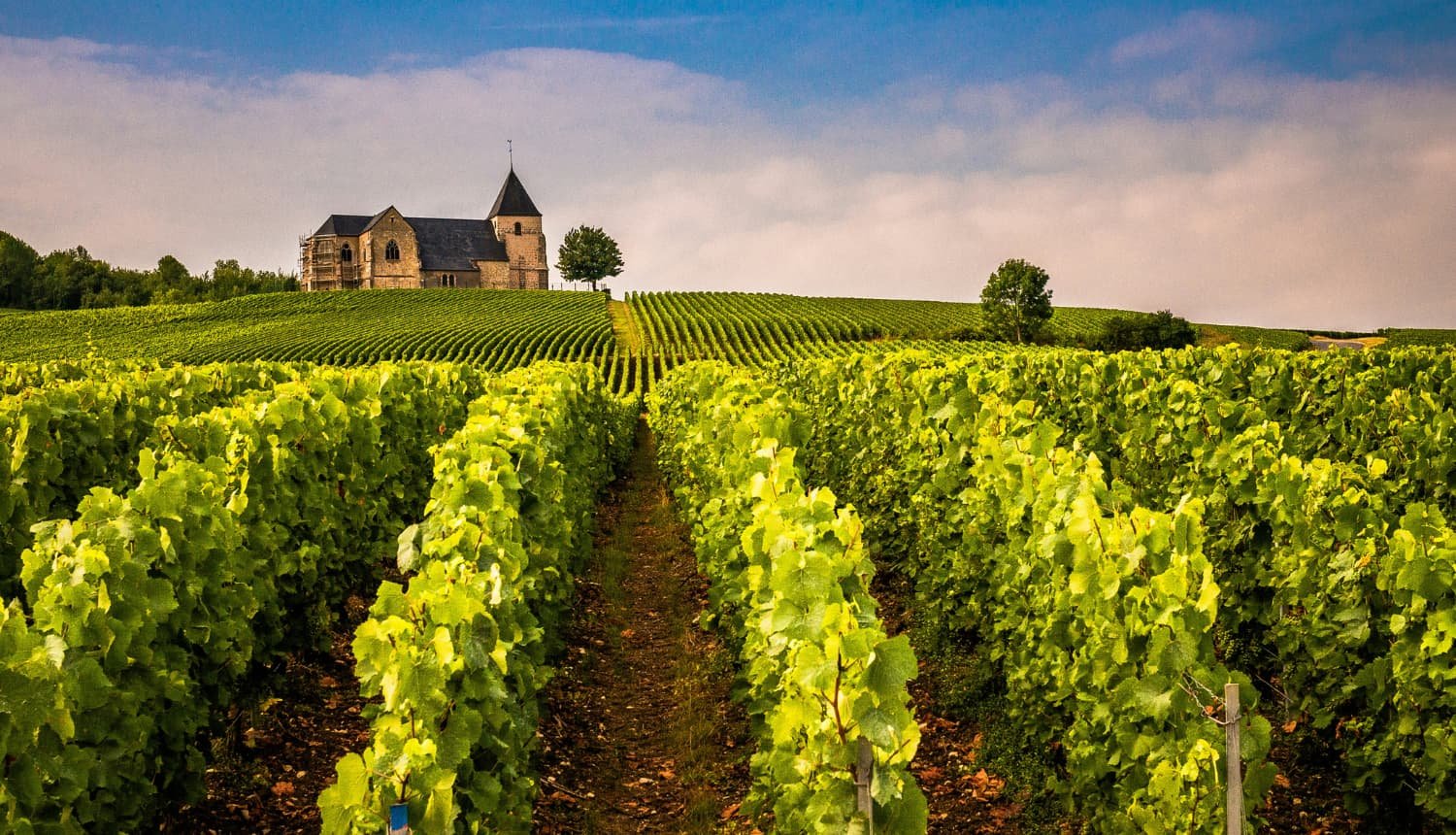
Most wine lists hand you the same six houses — Moët, Veuve, Bollinger, names built by négociants who bought grapes by the ton and blended for consistency across a hundred million bottles a year. Grower champagne is the correction to that story. It's wine made by the families who actually farm the chalk slopes of the Marne and the Côte des Blancs, who pick their own fruit, ferment it in their own cellars, and put their own name on the label instead of selling to a house that will erase the vineyard entirely. The difference isn't a marketing footnote — it's the difference between drinking a blend built for brand consistency and drinking a specific hillside, a specific year, a specific hand on the riddling rack. Champagne rewards a trip built around this distinction, not around checking off the grande maison tour circuit. Give it three days, structured around a handful of growers rather than a single house, and you leave understanding terroir the way Burgundy drinkers already do — instead of leaving with a gift-shop bottle and no idea what you actually tasted. What follows is exactly how to build those three days: which producers reward the trip, how dosage actually works, and how to sequence the region so it reads as one continuous story rather than a rushed afternoon apart from Paris.
The difference isn't a marketing footnote — it's the difference between drinking a blend built for brand consistency and drinking a specific hillside, a specific year, a specific hand on the riddling rack.
Why Champagne Rewards the Grower Route
Champagne the region is compact — you can drive from Reims to Épernay in twenty-five minutes — but the wine inside it is not one thing. The houses built an export empire on consistency: a Moët non-vintage tastes the same in Tokyo as it does in Toulouse, blended from hundreds of growers' fruit to erase vintage variation entirely. That consistency is a genuine achievement, and it is also the opposite of what a couple planning a serious wine trip should be chasing. Grower champagne gives you the inverse: a single domaine's fruit, a single winemaker's hand, a bottle that tastes different in a cool year than a hot one because nobody blended the difference away. Visiting growers in the Côte des Blancs or the Montagne de Reims means tasting Chardonnay or Pinot Noir the way the village actually grew it that year — not the house style built to survive fifty years of brand consistency. Pair two or three days here with a stay in the capital via our Paris destination guide, and the contrast does real work: the polish of Paris on one end, the specificity of a grower's cellar on the other. That sequencing — city, then vineyard, or vineyard, then city — is what separates a trip that remembers Champagne from one that only remembers a tasting room.
Two Ways to Make the Same Wine
| Brut Nature | 0–3 g/L | Nothing added. The wine as fermented, flaws and all. |
| Extra Brut | 0–6 g/L | A trace of dosage, still read as bone-dry. |
| Brut | 0–12 g/L | The industry default and the most common style on export lists. |
| Extra Dry | 12–17 g/L | Sweeter than Brut, despite the name — a common ordering mistake. |
| Sec | 17–32 g/L | Noticeably sweet, built for pairing with dessert courses. |
| Demi-Sec | 32–50 g/L | The sweetest standard classification, closer to a dessert wine. |
What Dosage Actually Tells You
Every bottle of champagne is bone-dry after its second fermentation — the sugar you taste is added back deliberately, in a step called dosage, and the amount is a genuine style decision rather than a quality marker. A grower working in Brut Nature is choosing to show you the wine with nothing added, which means flaws have nowhere to hide; a house working in the standard Brut range is choosing a small cushion of sugar to round out acidity across a blend built for broad appeal. Understanding champagne dosage changes how you taste everything that follows: a bone-dry grower Blanc de Blancs from the Côte des Blancs reads as flinty and taut, while the same base wine finished at Extra Dry — confusingly, sweeter than Brut — would read as rounder and more forgiving. This is the kind of detail that turns a tasting from pleasant into instructive, and it's exactly the layer most Champagne day trips from Paris skip entirely in favor of cellar tours and gift-shop pours. If you're building the trip properly, read the dosage label before you taste, not after — it reframes the glass. Our Paris destination guide covers the logistics of the day trip itself; this is the knowledge that makes the day trip worth taking.
How to Structure the Days
The mistake most couples make is treating Champagne as a single day trip from Paris — a TGV out in the morning, one house tour, lunch, and back on the train by evening. That itinerary sees exactly one producer's version of the region and none of the contrast that makes grower champagne worth understanding in the first place. Build it instead as a 2+1 split: two nights based in Épernay or Reims, structured around three or four grower appointments booked in advance — most growers see visitors by reservation only, not walk-in — followed by one night either back in Paris or pushed onward toward Burgundy if wine is the spine of the larger trip. Arrive Wednesday rather than Friday; growers keep weekday hours for tastings and reserve weekends for their own harvest-season work depending on timing. Space appointments to two per day, no more — a serious grower tasting runs ninety minutes to two hours once you're actually talking dosage and vineyard parcels, and cramming in a third visit turns a conversation into a tour. A rented car earns its cost here; the growers worth visiting are scattered across villages the train doesn't reach, and a driver lets both of you taste without watching the clock. Reserve the final afternoon for a walk through Hautvillers or a similarly quiet village rather than a fifth cellar — palates need the break more than the itinerary needs another stamp. This is architecture, not sightseeing: fewer producers, more time with each one, and a return to Paris that lands you fresh rather than wine-logged.
What we know before you arrive.
Most serious growers take appointments only, and the best ones book out weeks ahead during spring and early autumn, when Paris day-trippers and wine-trade visits both spike. If a specific domaine matters to you, email in French or ask your hotel concierge to call — English-language inquiries to small growers get slower replies than a two-line request routed through someone local. Build your Champagne days around confirmed appointments, not a plan to show up and see what's open.
The single most common mistake is trying to fit Champagne into a single day from Paris. Between train time, one tasting, and lunch, couples see a fraction of what the region offers and leave thinking they've done Champagne when they've done one house. Stay two nights instead. The extra day costs less than most people assume and changes the entire trip from a tour into an education.
What couples ask before they go.
Grower champagne comes from a single domaine that farms its own vines and bottles under its own name, so the wine reflects one family's parcels and one year's conditions. Champagne from a large house is blended from grapes bought across hundreds of growers, built for a consistent taste year after year rather than showing vintage variation. Neither is inherently better — but grower champagne is the version that tastes most like a specific place and a specific year, which is why serious wine travelers seek it out.
Champagne dosage is the small amount of sugar added back to a wine after its second fermentation, and it's the single biggest style decision behind every bottle. Low champagne dosage, like Brut Nature, shows the wine bone-dry with nowhere for flaws to hide. Higher dosage, like Extra Dry or Sec, softens acidity and reads sweeter. Reading the dosage label before you taste tells you more about what's actually in the glass than the producer's name does.
The Marne Valley and Reims sit roughly ninety minutes from Paris by car and about forty-five minutes to Reims by TGV, which is why so many treat it as a day trip. We'd recommend against it: two nights lets you book real grower appointments rather than whichever cellar door happens to be open, and gives you a slower morning instead of a rushed train back.
The Sequencing Is the Point
Knowing the difference between a grower and a house, or where Extra Dry actually sits on the sweetness scale, is only useful once it's built into a real schedule — which growers to book, which two nights, which village to walk on the quiet afternoon. That's the part we build for you, whether you're planning a Toast, Savor, or Indulge itinerary, sequenced alongside a stay in the capital through our Paris destination guide so the wine trip and the city trip work as one continuous arc instead of two separate bookings.
Start Your Itinerary See the Experiences →You'll choose Toast, Savor, or Indulge on your intake form.