Culinary Intelligence
Piedmont & Barolo: The Italy Wine Country Trip Most Couples Miss
Where Tuscany performs for an audience, Piedmont pours for itself — and that difference changes everything you plan.
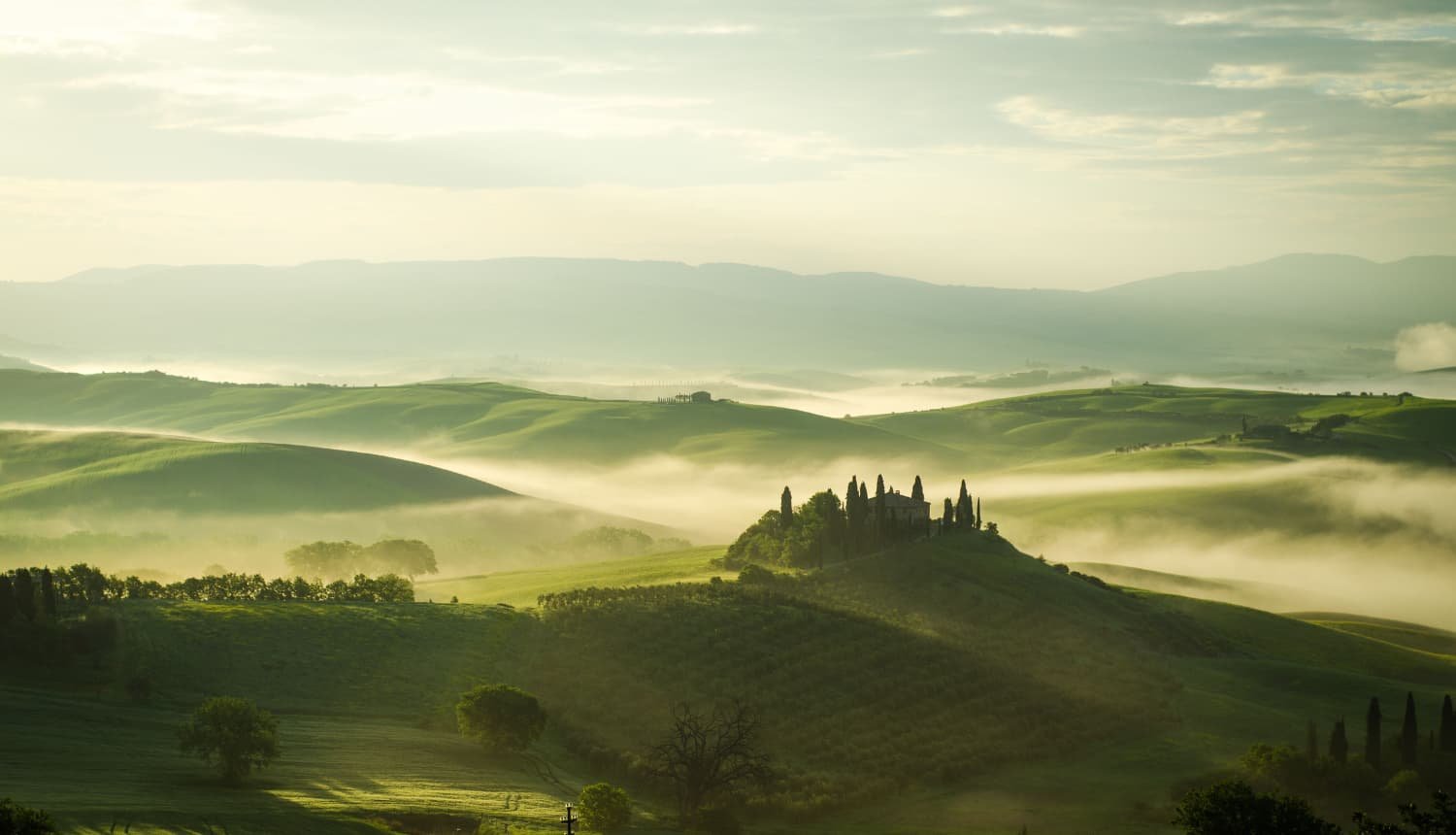
Most couples planning an Italian wine trip default to Tuscany without asking why, and that is the first mistake worth correcting. Barolo wineries occupy a different register entirely — fog-draped hill towns where Nebbiolo has been worked by the same families for four generations, where the wine list at a trattoria reads like a property map of the region itself. This is not a place built for tour buses or Instagram pull-offs. It rewards a traveler who wants to understand soil, not just sip a glass with a view. Piedmont in late autumn delivers something Tuscany increasingly cannot: a wine region still organized around agricultural rhythm rather than visitor traffic. The truffle markets open, the vineyards turn copper and rust, and the towns empty out enough that a cellar visit feels like a conversation rather than a transaction. Building a trip here properly — sequencing the communes, timing the truffle season, choosing where to sleep so the days breathe correctly — is the difference between a pleasant wine tasting and a trip you describe in detail months later.
Piedmont does not perform for visitors; it simply continues, and your job is to slow down enough to be let in.
Why Piedmont, and Why It Has to Be Built Properly
Barolo wineries are not interchangeable, and treating them as such is how couples end up with three indistinguishable tasting room visits and no real sense of place. The region's power comes from its fragmentation — eleven communes, each with its own soil composition, its own exposure, its own argument about what Nebbiolo is supposed to taste like. La Morra leans toward perfume and accessibility. Serralunga d'Alba leans toward structure that needs a decade to unfold. Skip the comparison and you skip the entire education the region is offering. We'd choose Piedmont over a generic Tuscany swing for any couple genuinely interested in wine rather than wine as backdrop, and here is exactly why: the producers here are still small enough, still family-run enough, that a booked appointment gets you the actual winemaker rather than a hospitality staffer reciting tasting notes. If your travel instinct runs toward our Tuscany & Piedmont destination guide, Piedmont is the version of that trip built for people who want the producers, not the postcard.
The Four Communes That Define Barolo
What You're Actually Tasting (and Smelling) in the Hills
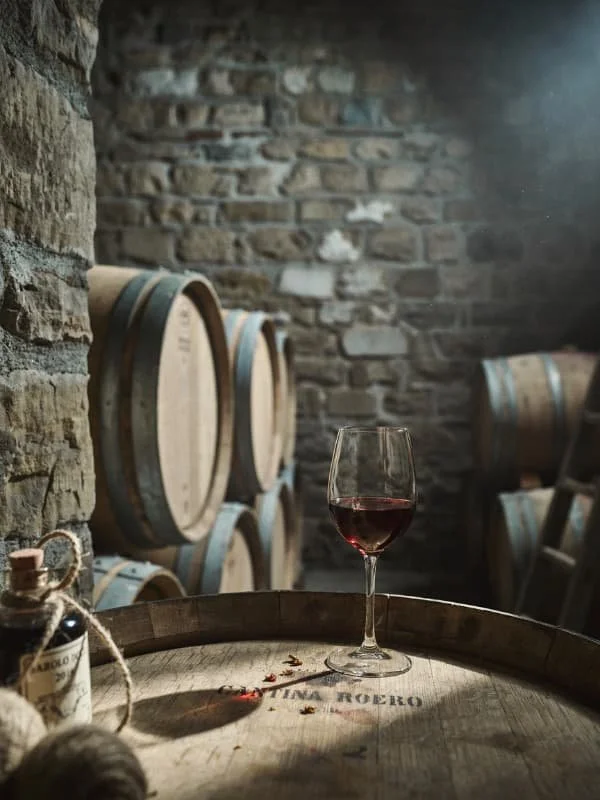
The soil split in Barolo isn't trivia — it's the reason two wines from villages four kilometers apart taste like they came from different decades. The eastern communes sit on Helvetian sandstone, compact and mineral, producing Nebbiolo that needs patience and rewards it with structure that holds for twenty years. The western communes sit on younger Tortonian marl, softer and richer in clay, producing wines that open earlier and lead with red fruit and rose rather than tar and tannin. Tasting both in the same week, side by side, is the kind of comparative education no single cellar visit can deliver on its own. This is also truffle country, and timing a trip around truffle hunting in Piedmont changes the entire texture of the days — not as a novelty add-on, but as the region's other great seasonal argument, running concurrent with harvest and the first fog of autumn. The hunts themselves are quiet, early-morning affairs led by a trifulau and his dog through oak and hazelnut woods outside Alba, and they pair naturally with an afternoon spent in a cellar discussing the same soils that built the wine in your glass. For couples who've already built a Tuscany & Piedmont destination guide itinerary and want the next layer of Italian wine education, this is it.
How to Sequence the Days
The mistake most couples make is treating Barolo like a day trip from somewhere else — a single afternoon bolted onto a Tuscany or Milan itinerary, with one rushed cellar visit standing in for the whole region. That approach flattens everything the communes are trying to tell you. The better structure is a 3+2 split: three nights based centrally, ideally in or near La Morra or Barolo town itself, dedicated to commune-by-commune tasting and one truffle hunt timed for the cooler morning hours, followed by two nights in Alba proper for the market, the Slow Food culture, and a slower pace before moving on. Arrive on a Wednesday, not a Friday — weekend cellar appointments book out weeks ahead during truffle season, while midweek slots stay open later. Space tastings to no more than two per day with a real lunch between them; Nebbiolo's tannin and the region's rich braised dishes are not built for a third appointment at 5pm. Couples who try to pair four cellars with a truffle hunt in a single day leave with a blur instead of a memory, which defeats the entire point of building the trip this carefully in the first place.
What we know before you arrive.
Cellar appointments at the region's top producers book six to eight weeks out during October and November, and truffle hunts with reputable trifulau guides fill even faster once the autumn fairs are announced. If your trip lands during peak truffle season, lock both before you book flights — availability, not interest, is the constraint here.
The most common mistake is over-scheduling: couples book four cellar visits a day across two communes and arrive home unable to distinguish what they tasted. Two appointments per day, one commune focus per day, and a long lunch between them is not a compromise — it's the only way the wines actually register.
What couples ask before they go.
Most serious Barolo wineries require advance appointment rather than walk-in tasting, typically booked directly by email six to eight weeks out, especially during autumn harvest and truffle season. Smaller family producers often have no formal tasting room at all — visits happen in working cellars, which is precisely why early outreach matters. We build these appointments directly into Savor and Indulge itineraries rather than leaving them to chance.
Truffle hunting in Piedmont is genuinely worth anchoring a trip to, particularly between October and December when white truffle season overlaps with Barolo's harvest energy. A typical hunt runs two to three hours in early morning, led by a trifulau and a trained dog through oak woods near Alba, and pairs naturally with an afternoon cellar visit. It's a structural, not decorative, part of the itinerary.
Five days is the minimum for the region to make sense — three nights centered on the Barolo communes, two in Alba for the truffle market and a slower close. Fewer than five compresses cellar visits into a blur. Fly into Milan or Turin; both are roughly ninety minutes by car from Alba.
The Sequencing Is the Logic. The Itinerary Is the Execution.
Knowing which commune to taste first, when to book the truffle hunt, and how long to linger in Alba is only useful once it's built into an actual day-by-day structure — which is exactly what Toast, Savor, and Indulge are designed to do, at three different levels of depth and hands-on planning. Whether Piedmont stands alone or connects into a longer swing through our Tuscany & Piedmont destination guide, the architecture should be built before the flights are booked, not improvised once you land.
Start Your Itinerary See the Experiences →You'll choose Toast, Savor, or Indulge on your intake form.