Culinary Intelligence
Cap d'Antibes: The Southern France Honeymoon Base Most Couples Don't Consider
A wooded peninsula between Antibes and the sea, built for couples who want quiet nights and real market mornings.
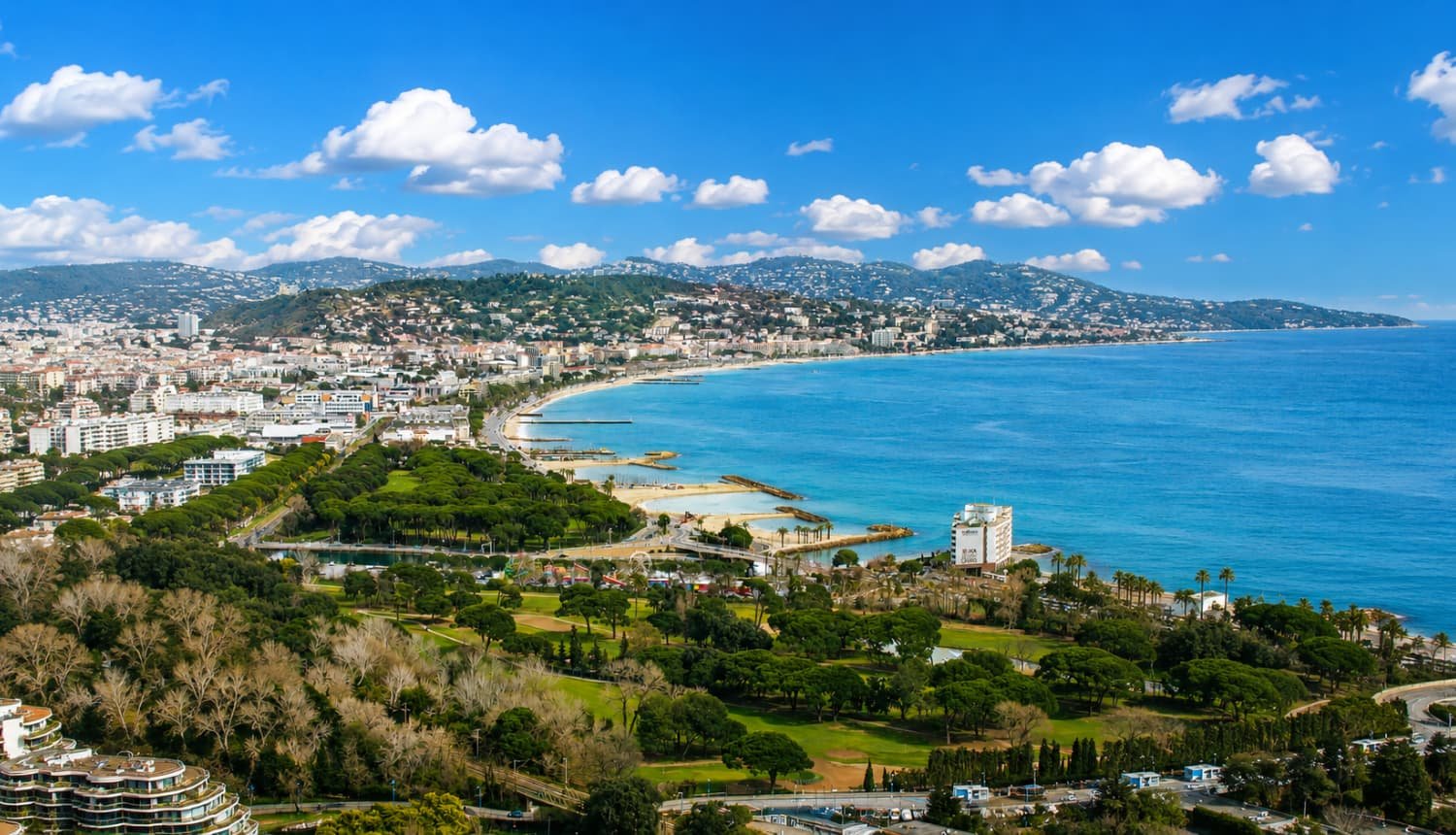
Most couples building a Southern France honeymoon start with Nice, because Nice is where the plane lands, and then they spend the trip working outward from an airport city instead of toward a place that actually wants them to slow down. Cap d'Antibes solves that problem before it starts. This is the wooded peninsula that sits between Antibes' old ramparts and the water, where the pine cover cuts the Mediterranean glare and the Hôtel du Cap-Eden-Roc has been teaching the coast how to hold its nerve since 1870. You are twenty minutes from Nice's airport and somehow already exhaled. The Cap gives you a base that is quiet at night and five minutes from three distinct towns by morning — Antibes' market stalls, Juan-les-Pins' late-night terraces, and a coastline road that unspools toward Cannes if you want it and away from it if you don't. Building the trip around this peninsula, rather than treating it as a day stop, changes the entire rhythm of the week. That's the argument this post makes, in detail.
The Cap gives you a base that is quiet at night and five minutes from three distinct towns by morning — market stalls, late-night terraces, a coastline that unspools toward Cannes only if you ask it to.
Why the Peninsula, Not the City
Every Southern France honeymoon eventually asks the same question: do you base in a city with restaurants and noise, or a village with quiet and not much else? Cap d'Antibes refuses the choice. The peninsula is residential first — walled villas, umbrella pines, a coastal path (the Sentier du Littoral) that traces the shoreline past private gates and public coves alike — but Antibes proper, with its Provençal market and Picasso museum inside the Château Grimaldi, sits at the peninsula's neck, a ten-minute walk from most of the Cap's hotels. You get the hush of a residential headland and the walkability of a real town without choosing between them.
This matters more on a honeymoon than almost any other trip, because honeymoon itineraries fail for one of two reasons: too much movement, or too little texture. Basing on the Cap solves both. Our South of France destination guide breaks down how the wider Côte d'Azur region fits together, but the short version is this: Antibes sits geographically at the coast's center of gravity, closer to Nice, Cannes, and the inland perfume towns than any single alternative, which means day trips stay under an hour in every direction. You're not choosing a location. You're choosing a hub.
How the Cap Compares to Its Neighbors
What You're Actually Tasting on the Cap
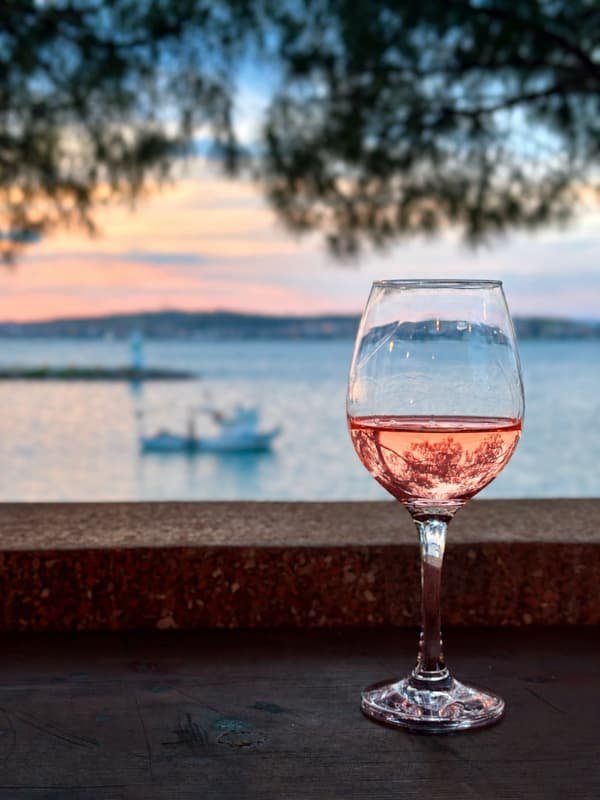
The wine list on the Cap tells you more about the region than any guidebook. This stretch of coast sits closest to Provence's Côtes de Provence appellation, and the rosé you'll drink at dinner — pale, dry, built for the heat rather than against it — comes largely from estates around Bandol and the Var, places like Domaine Tempier if your restaurant is serious about its list. Order it with a soupe au pistou or a plate of petits farcis, the small stuffed vegetables that are Niçoise cooking's actual signature, not the salade niçoise tourists order because they recognize the name.
For couples planning a South of France honeymoon around food as much as scenery, the Cap's proximity to Antibes market matters: the stalls sell socca (chickpea flatbread, eaten hot and blistered, not as a starter but as a snack between the market and the beach), and the fish counter runs on what came in that morning, not a printed menu. This is the depth layer most trip planning skips — knowing which dish is regional identity and which is imported convention.
Our South of France destination guide goes deeper on the region's wine routes and market towns, but the short answer for the Cap is this: eat and drink close to where you're standing. The Var is twenty minutes inland. The fish came from the water you can see from the table.
Building the Week: Pacing the Cap
The mistake most couples make on a Southern France honeymoon is arriving on a Saturday, when every hotel on the coast is mid-changeover and every restaurant is booked for a wedding. Arrive Sunday or Monday instead — you'll get a calmer check-in, a full week of restaurant availability before the weekend crush returns, and first pick of the better tables at spots that take limited reservations.
Structurally, we build these trips as a 4+3 split: four nights based on the Cap, using it for Antibes, Juan-les-Pins, and the coastal path, then three nights moving — one in Villefranche or Nice for the city texture, two inland toward the perfume town of Grasse or the hill villages, depending on whether the couple wants gardens or art. Trying to do all of it from one base flattens the trip into day trips that all start to look the same by day four.
Keep one full day unscheduled. Not a spa day booked in advance — an actual open day, the kind where you decide at breakfast whether to swim, drive to Cannes, or not leave the Cap at all. Couples who book every hour end up describing the honeymoon afterward as a checklist they completed rather than a week they lived in. The 4+3 split, with one day left blank on purpose, is what keeps that from happening.
What we know before you arrive.
Book the Cap's marquee hotels eight to ten months out if you want a July or August date — the Hôtel du Cap-Eden-Roc and its peers sell out the high season well before spring. Shoulder season (May, June, or September) opens far more availability and drops the heat by several degrees, which matters more on a honeymoon than most couples expect until they're standing on a sun-baked terrace at 2pm in August.
The single biggest mistake is renting a car for the whole week and never using it, because Antibes, Juan-les-Pins, and the coastal path are all walkable from the Cap. Rent for the two or three days you're moving inland or east toward Villefranche, not the full stay — a parked car on the peninsula is an expense with no purpose.
What couples ask before they go.
Yes, and for a specific reason: it gives you quiet at night and walkability by day, which most Côte d'Azur bases don't manage together. Antibes' market and old town sit a ten-minute walk from most Cap hotels, while the peninsula itself stays residential and wooded, cutting the coast's summer noise and crowds. You're also centrally placed — Nice, Cannes, and the perfume towns of Grasse are all under an hour, so the Cap works as a hub rather than a single stop.
For a one-week South of France honeymoon, we recommend four nights on Cap d'Antibes and three nights moving — one in a coastal town like Villefranche-sur-Mer and two inland toward Grasse or the hill villages. Four nights lets you settle into the Cap's rhythm instead of living out of a suitcase, while the remaining three add texture without turning the week into a string of day trips that blur together by the fourth day.
Nice's airport (NCE) is roughly 20–25 minutes from Cap d'Antibes by car or private transfer, which most couples arrange in advance rather than searching for a taxi at arrivals. The train from Nice to Antibes station takes about 25 minutes and runs frequently, though you'll still need a short taxi from the station to most Cap hotels. Skip renting a car for arrival day — wait until you're ready to move toward Villefranche or inland.
The Sequencing Is the Argument. Let Us Build It.
Everything above — the 4+3 split, the Sunday arrival, the day left deliberately blank — is architecture, not advice, and architecture is what we build for a living. Whether your trip runs on Toast, Savor, or Indulge, we sequence the Cap and its neighbors into a week that actually holds together, day by day, reservation by reservation. Our South of France destination guide is the starting reference; the itinerary we build from it is tailored to your dates, your pace, and the version of this coast you actually want.
Start Your Itinerary See the Experiences →You'll choose Toast, Savor, or Indulge on your intake form.